November 22, 2026
A sloped yard can present several challenges for homeowners, including limited usable outdoor space, soil erosion, and drainage concerns. However, uneven terrain does not have to limit a property's appearance or functionality. Sloped-yard terracing offers a practical way to transform steep areas into attractive, multi-level outdoor spaces that are easier to navigate and enjoy, while improving the overall landscape. With thoughtful planning, homeowners can turn difficult terrain into a beautiful extension of their living space.
Understanding the Benefits of Sloped Yard Terracing
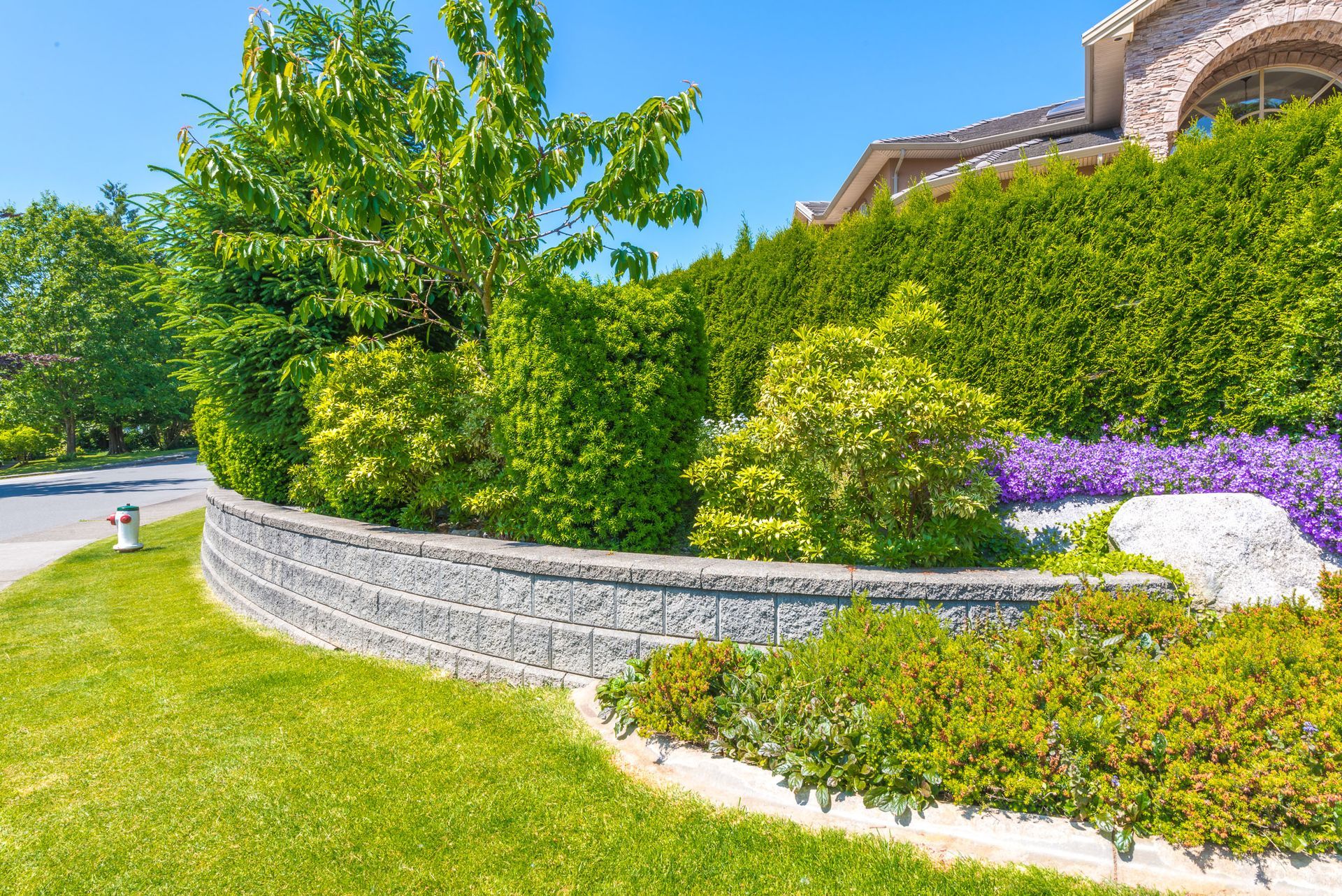
Terracing involves dividing a sloped property into multiple level sections, often using retaining walls, steps, and strategically placed planting areas. Instead of allowing the entire yard to follow one continuous incline, this approach creates distinct levels that serve different purposes.
For homeowners, terracing can make previously difficult areas more accessible and functional. A steep hillside might be transformed into a series of garden beds, while another section could accommodate a patio, seating area, or outdoor entertainment space.
Some important benefits include:
- Improved Usability: Level sections provide more opportunities for outdoor activities, gardening, and relaxation.
- Reduced Soil Erosion: Properly designed terraces can help slow water movement and limit the amount of soil carried downhill.
- Better Drainage Management: Thoughtful grading and drainage planning help direct runoff away from vulnerable areas.
- Enhanced Visual Appeal: Multiple elevations add depth, dimension, and structure to an otherwise uneven property.
Terracing also creates opportunities to incorporate a variety of plants, materials, and outdoor features. When these elements work together, the result is a more organized and visually appealing landscape.
Assessing Slope Conditions and Property Layout
Before beginning a terracing project, homeowners should understand the existing conditions of their property. Not every slope presents the same challenges, and the appropriate design depends on factors such as elevation changes, soil composition, drainage patterns, and available space. Evaluating these conditions helps determine how the landscape can be improved while maintaining stability and functionality.
A professional assessment helps determine how many levels are practical and where they should be positioned. Steeper slopes may require more substantial structural support, while gradual inclines might accommodate smaller planting terraces and gently sloped transitions.
Soil conditions are particularly important because different soil types respond differently to moisture and pressure. Loose or poorly draining soil may require additional stabilization measures to support long-term performance.
Property boundaries, existing trees, utility lines, and nearby structures should also influence the design. Homeowners need to consider how water will move across each level and whether runoff could affect neighboring properties or foundations.
Scapes Inc begins its design process with a thorough consultation to understand each client's goals and evaluate the property's unique characteristics. This planning stage helps ensure that the finished project balances appearance, functionality, and long-term landscape performance.
Creating Functional Levels for Outdoor Living
One of the greatest advantages of terracing is the ability to assign different purposes to individual sections of the yard. Rather than treating an uneven property as one large space, homeowners can create distinct outdoor areas that support their preferred activities while making the overall landscape more functional.
For example, an upper terrace might provide a quiet seating area with attractive garden plantings, while a lower level could accommodate a patio or outdoor kitchen. Another section might feature colorful flower beds, ornamental trees, or space for seasonal gardening.
When planning these areas, homeowners should consider how they will move between levels. Steps, pathways, and other transitions should be positioned to provide convenient access without disrupting the overall design.
A functional terraced yard may include:
- Relaxation Areas: Level seating spaces provide comfortable places to unwind and enjoy the outdoors.
- Garden Sections: Dedicated planting areas make it easier to organize flowers, shrubs, and ornamental trees.
- Entertainment Spaces: Patios and outdoor living features create practical areas for gatherings.
- Decorative Transitions: Steps, stonework, and carefully selected plants connect the different elevations.
Separating activities into designated areas can make the entire property feel more spacious. It also allows homeowners to enjoy outdoor features that might otherwise be difficult to incorporate into a steep yard.
Improving Drainage and Preventing Soil Erosion
Water management is one of the most important considerations in any terracing project. Rainwater naturally flows downhill, and an improperly designed slope can lead to runoff, soil displacement, and pooling around structures.
Terracing can help address these concerns by breaking a single continuous slope into smaller sections. Each level can be designed to control water movement and reduce the speed at which runoff travels across the property.
However, retaining walls and level planting areas must be designed with appropriate drainage considerations. Water pressure can build behind retaining structures when runoff has nowhere to escape, potentially causing structural problems over time.
Proper grading, drainage channels, and suitable soil materials can help direct excess water toward appropriate drainage areas. Plant roots also contribute to soil stability by helping hold the ground in place.
Selecting Materials and Plantings for Each Level
The materials used throughout a terraced yard influence both its appearance and structural performance. Retaining walls, pathways, steps, and other hardscape features should complement the home's architecture while meeting the property's practical needs.
Natural stone can create an organic appearance, while concrete and other masonry materials may provide a more structured look. The appropriate choice depends on the desired style, project requirements, and existing outdoor features.
Plant selection is equally important. Different sections of a sloped property may receive varying amounts of sunlight, moisture, and wind exposure. Choosing plants suited to these conditions helps create healthier planting areas and reduces unnecessary maintenance.
Homeowners may consider incorporating:
- Low-growing ground covers to help stabilize exposed soil.
- Ornamental grasses to add texture and movement.
- Shrubs to provide structure and seasonal interest.
- Flowering plants to introduce color across different levels.
- Small trees to create focal points and provide visual balance.
A thoughtful combination of hardscape materials and vegetation helps connect each terrace into one cohesive design.
Supporting Property Value and Curb Appeal
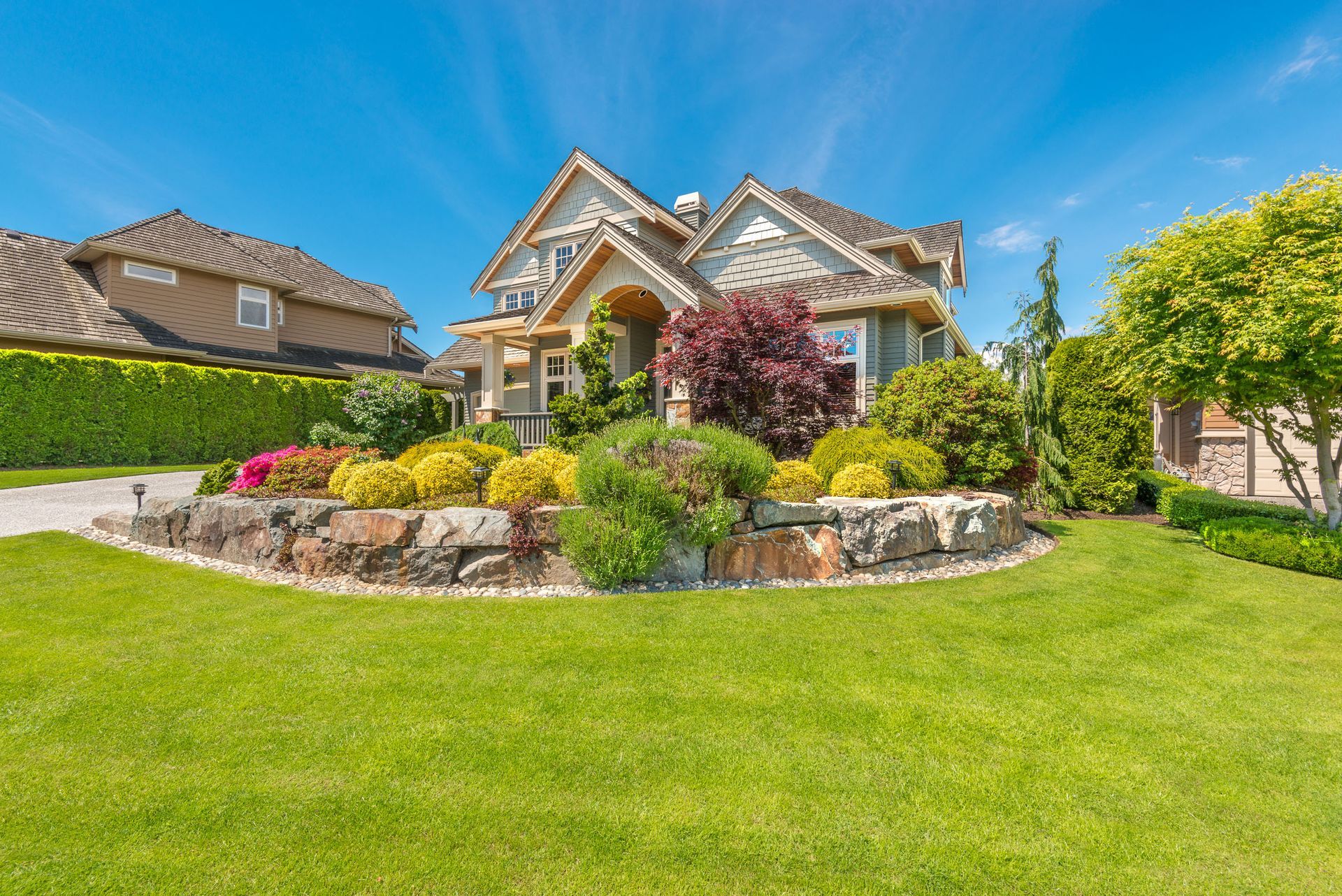
A well-designed terraced yard can improve a home's appearance while making better use of its outdoor space. Organized planting areas, attractive retaining features, and functional gathering spaces create a more polished appearance that can make a property stand out. These improvements also help create a cohesive landscape that complements the home's architecture and surrounding features.
According to HomeLight, more than 75% of leading real estate agents nationwide believe that properties with well-maintained landscaping can be worth between 1% and 10% more than comparable homes without landscaping. This highlights how thoughtful outdoor improvements can enhance a property's overall appeal and perceived value.
Beyond resale considerations, terracing can make everyday outdoor spaces more enjoyable. Homeowners gain additional opportunities to relax, entertain guests, and appreciate their surroundings without struggling with difficult slopes. Investing in a functional, attractive landscape can provide lasting enjoyment while making the property more appealing to potential buyers.
Maintaining Terraced Areas Throughout the Seasons
Once installation is complete, ongoing care helps preserve the appearance and functionality of each terrace. Different elevations may have unique maintenance requirements depending on sunlight exposure, soil conditions, plant selections, and drainage patterns.
Homeowners should periodically inspect retaining structures for visible movement, cracks, or signs of water damage. Drainage areas should also remain clear of leaves, soil, and other debris that could interfere with runoff.
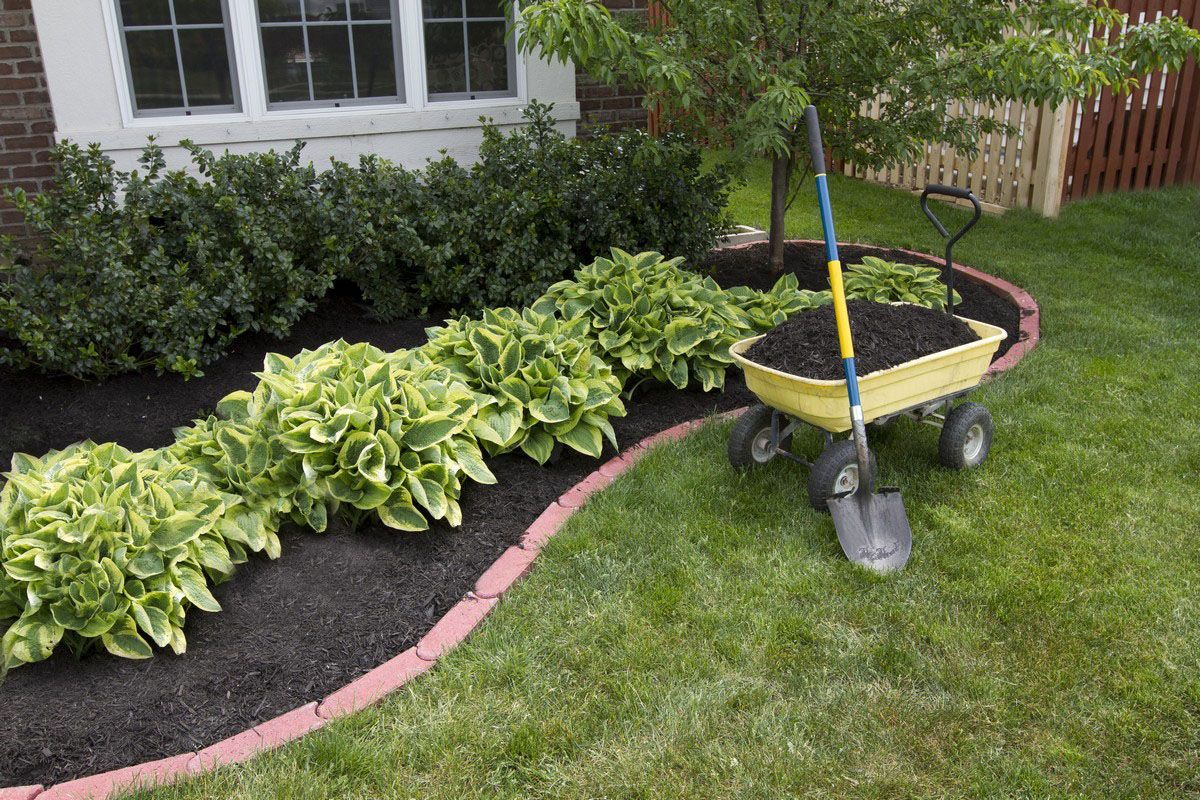
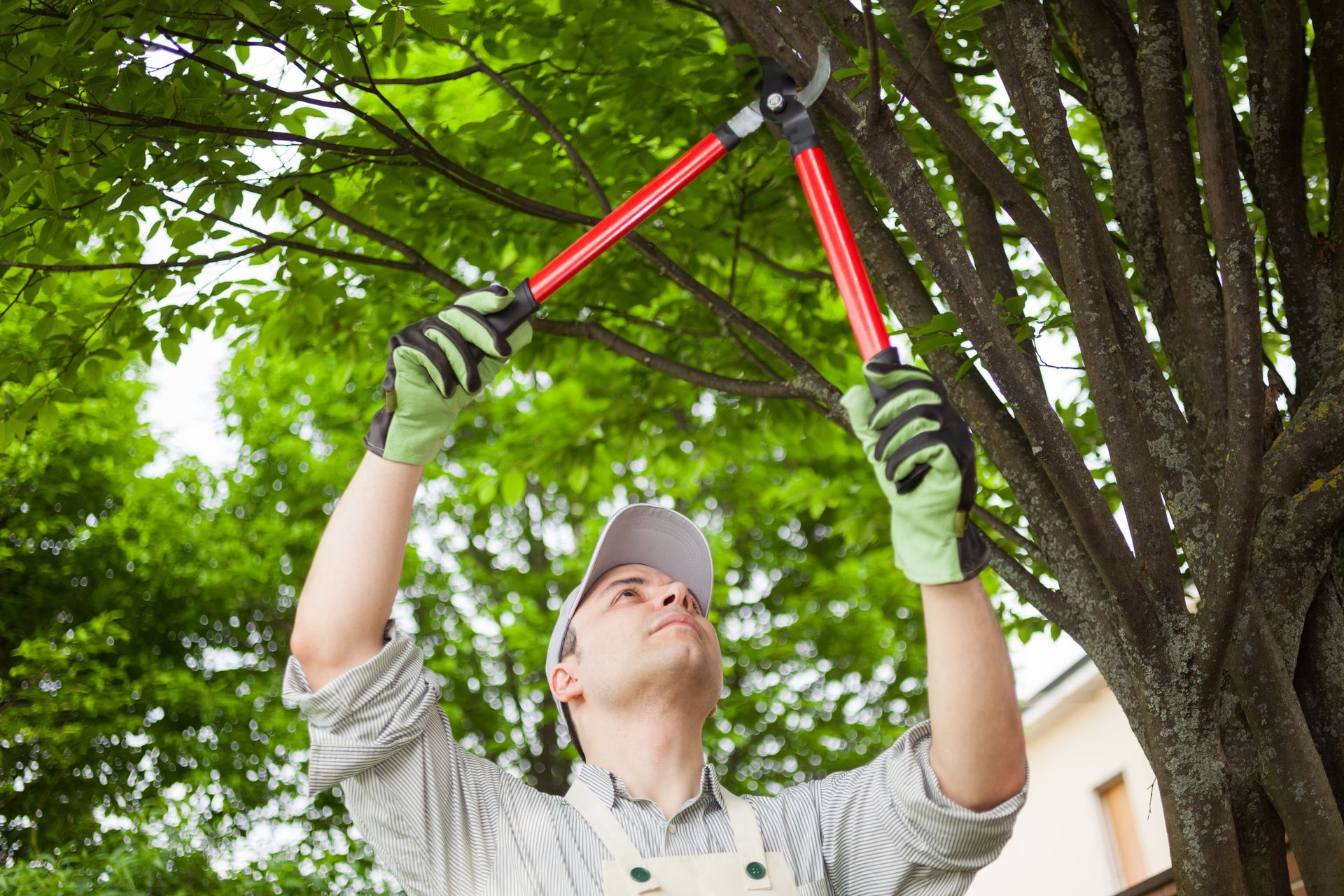
Plant maintenance is another important consideration. Regular pruning, appropriate watering, seasonal fertilization, and weed control help keep planting beds healthy and attractive. Replacing damaged plants and refreshing mulch can also maintain a polished appearance.
Creating a More Beautiful and Functional Yard
Sloped yard terracing offers homeowners an opportunity to transform challenging terrain into attractive, usable outdoor areas. By creating multiple levels, improving drainage, and incorporating thoughtfully selected plants and hardscape features, homeowners can make better use of their available property.
A successful project starts with understanding the property's existing conditions and developing a design that addresses both practical needs and aesthetic preferences. Professional planning and installation also help ensure that each section works together as part of a cohesive outdoor environment.
Scapes Inc provides professional landscape design, installation, and outdoor living services to help homeowners transform uneven properties into beautiful outdoor spaces. Contact Scapes Inc today to schedule a consultation and discover how a custom terracing design can enhance your property.