February 3, 2026
Thoughtful custom landscape design choices can transform even small outdoor spaces into valuable habitats that strengthen local ecosystems. By understanding how biodiversity works and how to encourage it, homeowners can make a meaningful environmental impact right at home. Discover how you can create a thriving ecosystem in your backyard that supports a variety of plants, animals, and insects, contributing positively to the local environment.
Understanding Biodiversity in Landscaping
What Is Biodiversity?
Biodiversity refers to the variety and variability of life forms within a given ecosystem, region, or the entire planet. It encompasses the diversity of species, genetics, and the ecological processes that sustain them. A high level of biodiversity is essential for the stability and resilience of ecosystems. It allows biological communities to withstand environmental stressors and changes. By fostering biodiversity in landscaping, we support a balanced ecosystem that benefits the planet as well as our human environments.
The Role of Biodiversity in Yard Health
Promoting biodiversity in your yard ensures a balanced and resilient garden environment. Diverse plant and animal life in your backyard contributes to healthier soil, improved air quality, and optimal water management. Moreover, a biodiverse landscape attracts a range of pollinators, which are essential for plant reproduction and fruit production. By integrating a variety of species, your garden becomes less vulnerable to pests and diseases. Thus, biodiversity not only beautifies but also fortifies your backyard ecosystem.
Assessing Your Current Biodiversity
Before enhancing your backyard's biodiversity, it's important to conduct a thorough assessment. Understanding your current biodiversity involves identifying the plants, animals, and insects that currently reside in your garden. This assessment can be carried out through simple observation or by engaging with local environmental experts. By documenting existing species, you can create a personalized plan to ensure that any new additions complement the existing ecosystem. Regular assessment is essential as it allows you to track changes and make informed decisions for biodiversity enhancement.
Planning for Increased Biodiversity
Once you have assessed your current biodiversity, the next step is to plan for enhancement. Creating a custom landscape design that promotes biodiversity involves selecting a mix of plant species that support various wildlife. Native plants play a crucial role in this process, and according to Gitnux, they are used in 65% of landscaping projects aimed at promoting local biodiversity. By choosing plants that thrive in local conditions, you encourage more sustainable growth while minimizing the need for excessive water and pesticides. Integrating diverse plants ensures a continuous process of supporting various forms of life in your backyard.
Choosing the Right Plants
Native vs. Non-Native Plants
In choosing the right plants for your backyard, it's important to understand the differences between native and non-native species. Native plants are those that have evolved in a specific region over thousands of years, adapting to local soil, climate, and wildlife. These plants are often more resilient to local pests and diseases, requiring less maintenance. Non-native plants, on the other hand, may require more resources, such as water and fertilizers and might not support local wildlife. Balancing a mix of native and non-native plants can enhance your garden's aesthetics while supporting environmental health.
Plants for Pollinators
Creating a pollinator-friendly garden involves selecting plants that attract bees, butterflies, and other pollinators. These plants typically have features that appeal to pollinators, such as bright colors, nectar, and pollen. By including a variety of flowering plants with different blooming times, you can ensure a continuous supply of resources for pollinators. It's essential to avoid pesticides, which can be harmful to these beneficial insects. By supporting pollinators, you contribute to the pollination of plants, which is a fundamental process in both natural and agricultural ecosystems.
Creating Plant Layers
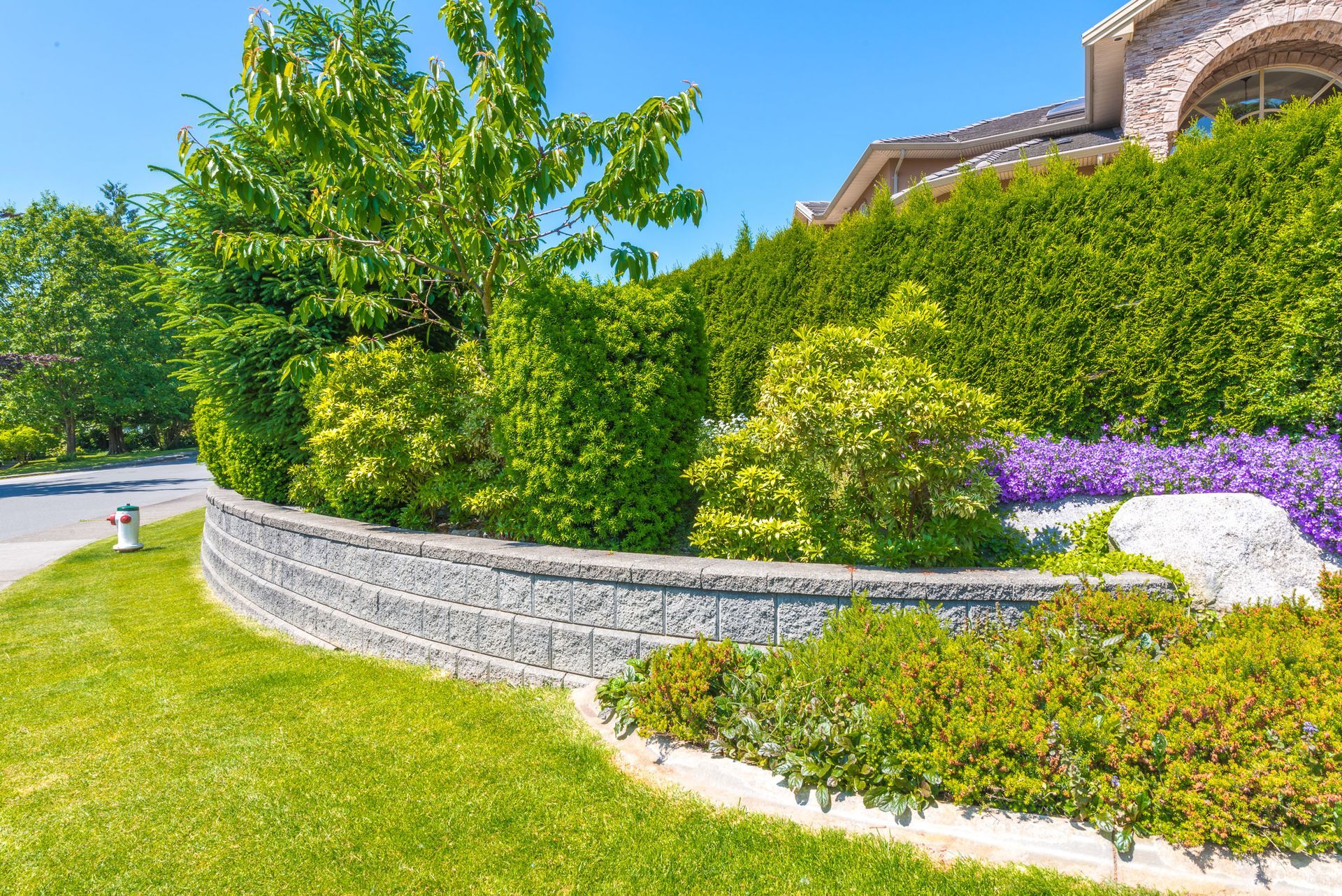
Structuring your garden with plant layers is both aesthetically pleasing and functionally beneficial. Layering involves using different plant heights and types, such as a mix of trees, shrubs, and ground cover. This approach not only maximizes space but also creates diverse habitats for various species of wildlife. Taller plants provide shelter and nesting sites for birds, while low-growing plants offer cover for smaller animals. By mimicking natural forest structures, layered planting supports biodiversity and increases garden resilience. Thus, plant layers contribute significantly to the overall health of the landscape.
Enhancing Wildlife Habitats
Building Bird-Friendly Spaces
Creating a bird-friendly garden involves providing resources and safety measures for local bird species. These include planting native vegetation that provides food, such as berries and seeds, as well as pollinator plants to attract insects. Adding elements like bird feeders, birdbaths, and nesting boxes also aids in attracting and supporting avian visitors. It's important to maintain a safe environment by minimizing threats from domestic pets and ensuring a supply of fresh water. Bird-friendly gardens foster avian biodiversity, enriching both ecological balance and human enjoyment.
Supporting Insects and Their Ecosystem Roles
Insects play a myriad of roles in garden ecosystems, from pollination to decomposition. Establishing an insect-friendly environment with your custom landscape design means incorporating a variety of flowering plants that offer nectar and pollen. Creating habitats like log piles, rockeries, and undisturbed soil areas can provide shelter and breeding sites for beneficial insects. By welcoming insects and avoiding chemical pesticides, you support natural pest control and pollination processes. A garden buzzing with insect life is a sign it's thriving and contributing positively to local biodiversity.
Encouraging Amphibians and Reptiles
Amphibians and reptiles are vital components of a biodiverse garden, helping to control pests and maintain ecological balance. To attract these creatures, consider incorporating features like ponds, rock piles, and leafy undergrowth. Amphibians benefit from moist environments, so providing shaded areas and water features is crucial. Reptiles require sunny basking spots and secure hiding places to thrive. By cultivating diverse habitats, you encourage a wider range of wildlife to make their home in your backyard, enriching the local ecosystem.
Providing Shelter and Nesting Sites
Offering shelter and nesting sites is essential for supporting wildlife in your garden. Diverse plantings create natural habitats, while additional structures like birdhouses, bee hotels, and bat boxes provide crucial nesting opportunities. These additions should be carefully placed to mimic natural environments and protect from predators. Regular maintenance ensures these shelters remain effective and safe for inhabitants. Providing such refuges not only supports wildlife but also enhances your garden's ecological value and beauty.
Monitoring and Maintaining Your Ecosystem
Regular Biodiversity Assessments
A critical aspect of maintaining your backyard biodiversity is conducting regular assessments. Observing and documenting wildlife and plant diversity helps you understand ecosystem dynamics and track changes over time. By keeping notes and photographs, you can assess the impact of your landscaping choices and identify trends. These insights inform future adjustments and enhancements to support your backyard ecosystem. Regular assessments ensure a responsive, adaptive management approach that maximizes biodiversity benefits.
Adjusting Management Practices
Responsive management of your custom landscape design is key to fostering a flourishing ecosystem. This involves analyzing assessment results and adjusting practices like plant selection, watering regimes, or pest control methods. By responding to changes, you can refine strategies to better support your ecosystem's development. Flexibility is essential as ecosystems are dynamic and require ongoing intervention to maintain balance. Therefore, an adaptive management approach ensures your backyard remains a vibrant, biodiverse habitat.
Dealing With Invasive Species
Invasive species pose significant threats to local biodiversity by competing with native plants and disrupting ecological balance. Early identification of invasive species is crucial for l effective management and containment. Methods like manual removal, grazing, and targeted herbicides can prevent their spread and impact. By understanding invasive species' roles and establishing control protocols, you can protect your garden's native ecosystem. Preventing and mitigating invasive species is a key step in maintaining a healthy, vibrant backyard habitat.
By prioritizing biodiversity in our backyards, we can significantly enhance our local ecological health and create a more sustainable future, benefiting both the environment and our own well-being. Small, intentional actions such as plant selection, habitat creation, and ongoing stewardship can lead to lasting positive change. Over time, these efforts help build a resilient custom landscape design that supports wildlife and helps us reconnect with the natural world. Reach out to Scapes, Inc to learn more!